Classic
Parser adventures
You type short commands the game understands, like GO NORTH or TAKE LAMP, and solve puzzles someone designed in advance. Type something it was not built for and it answers that it does not understand.
You type
take lamp
Text-based RPG
Type what your character does, in plain words. The game master describes what happens, plays every other character and keeps track of your quest from one session to the next. No commands to learn and no map drawn in advance. Free every day, no sign-up.
Glimora is for adults aged 18 and over.
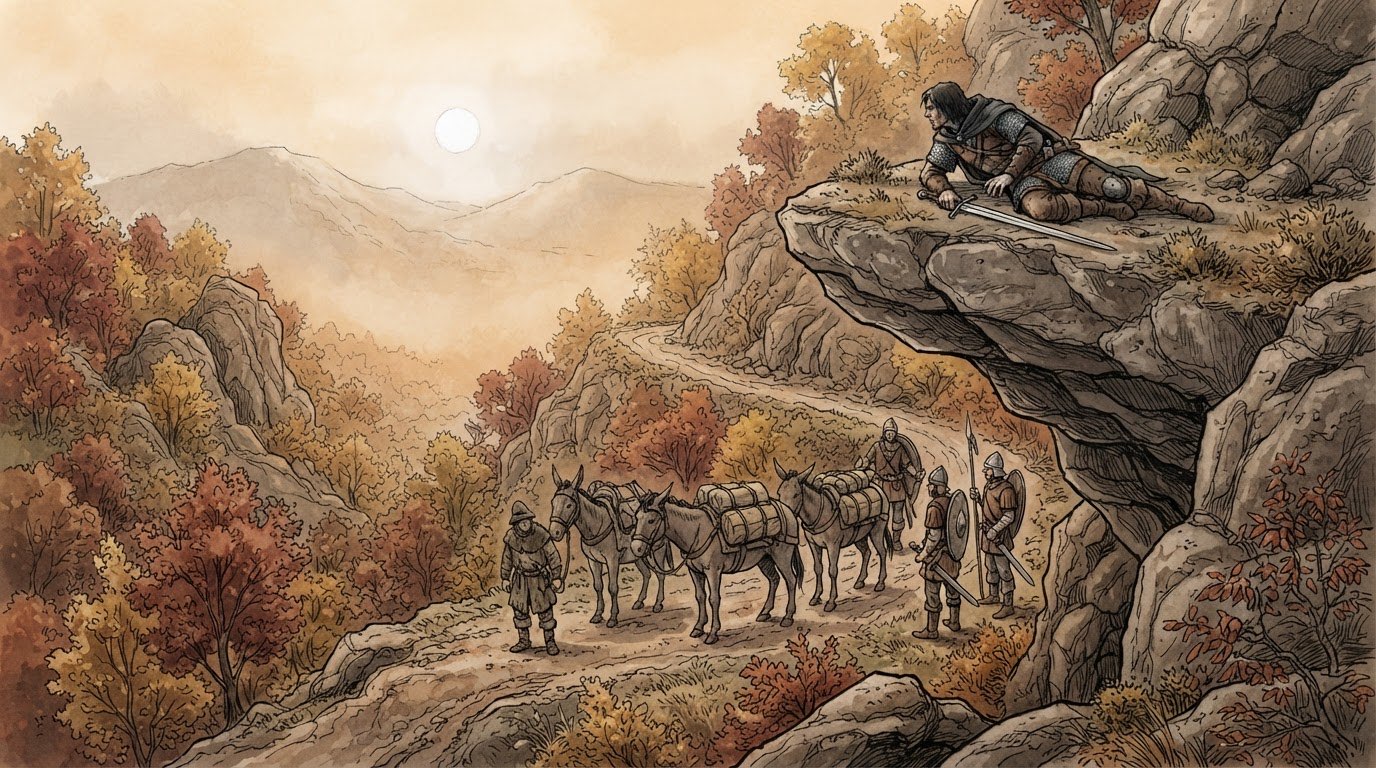
…and climb the rocks to see what is above the overhang, sword drawn.
Something scrapes stone to your left.
What do you do?
10 free turns
on your first day, then 4 every day
No sign-up
start playing straight away
Five worlds
ready to start, or describe your own
Saved quests
come back tomorrow and carry on
One real turn, unedited
Played on Glimora in the Fantasy world, as a sellsword guarding a salt caravan through the hill passes. The game master’s words are exactly as it wrote them.
Game master
It opens in the middle of the action and stops where you have to decide.
The mules stop. Not a gradual slow—a full halt, ears pinned, nostrils flaring at the switchback ahead. You've been riding point for six hours, the sun a white thumbprint through autumn haze, and now the lead mule's hooves scrape against scree where the track narrows past a jagged overhang.
The caravaneer, old Hask, spits and mutters something about the smell. He's right. A sweetness on the breeze, like cut hay left too long in the rain, but with a sour edge beneath it.
Something dark stains the rocks above the trail, just below the lip of the overhang. Fresh enough that flies are already working in the shadow. The other guards have reined up behind you; you hear boots hit gravel as they dismount. No one's drawn steel yet, but hands rest on hilts.
The mules won't move forward. The stain spreads slowly, gravity pulling it into a thin finger of red that reaches toward the path.
You
Plain words. No list of commands, no menu of choices.
DoI hand my reins to Hask, tell the others to keep the mules back, and climb the rocks to see what is above the overhang, sword drawn.
Game master
The world answers what you did, adds a new problem and hands the turn back.
You shrug off your leathers before you climb—too much weight, too much noise. The granite is sun-warm under your palms, gritty with crumbled schist that slides under your bootsoles. You find handholds in the cracks, pull yourself up past chest height, then swing a knee onto a narrow ledge.
The smell thickens as you rise. Sweet and wrong, the kind of rot that draws flies but also something else—a metallic tang, like old copper coins held too long in a sweating palm.
You crest the overhang on your belly, peering over the edge before committing your full weight. The flat space above is maybe ten feet deep, a natural shelf where the hill cracked open generations ago. A body lies there, facedown, one arm twisted beneath it at an impossible angle. Not a traveler's clothes—leather and ringmail, like yours, but torn open across the back. The flesh beneath is pale, waxy, and you see no blood around the wounds. The stain below came from somewhere else.
Something scrapes stone to your left.
What do you do?
Start your own questThe basics
A text-based RPG is a role-playing game told in words instead of graphics. You read what your character sees, decide what they do, and the game tells you what happens next. There are three kinds, and they play very differently.
Classic
You type short commands the game understands, like GO NORTH or TAKE LAMP, and solve puzzles someone designed in advance. Type something it was not built for and it answers that it does not understand.
You type
take lamp
Online
Shared online worlds, some running for decades. You level up, fight with stats and play alongside other people, in places the game’s builders wrote room by room.
You type
kill goblin
New
You write anything your character could do, and an AI writes what happens, so the world grows around your choices instead of a map drawn in advance. Glimora is this kind.
You type
I offer the guard half my pay to look the other way
How it plays
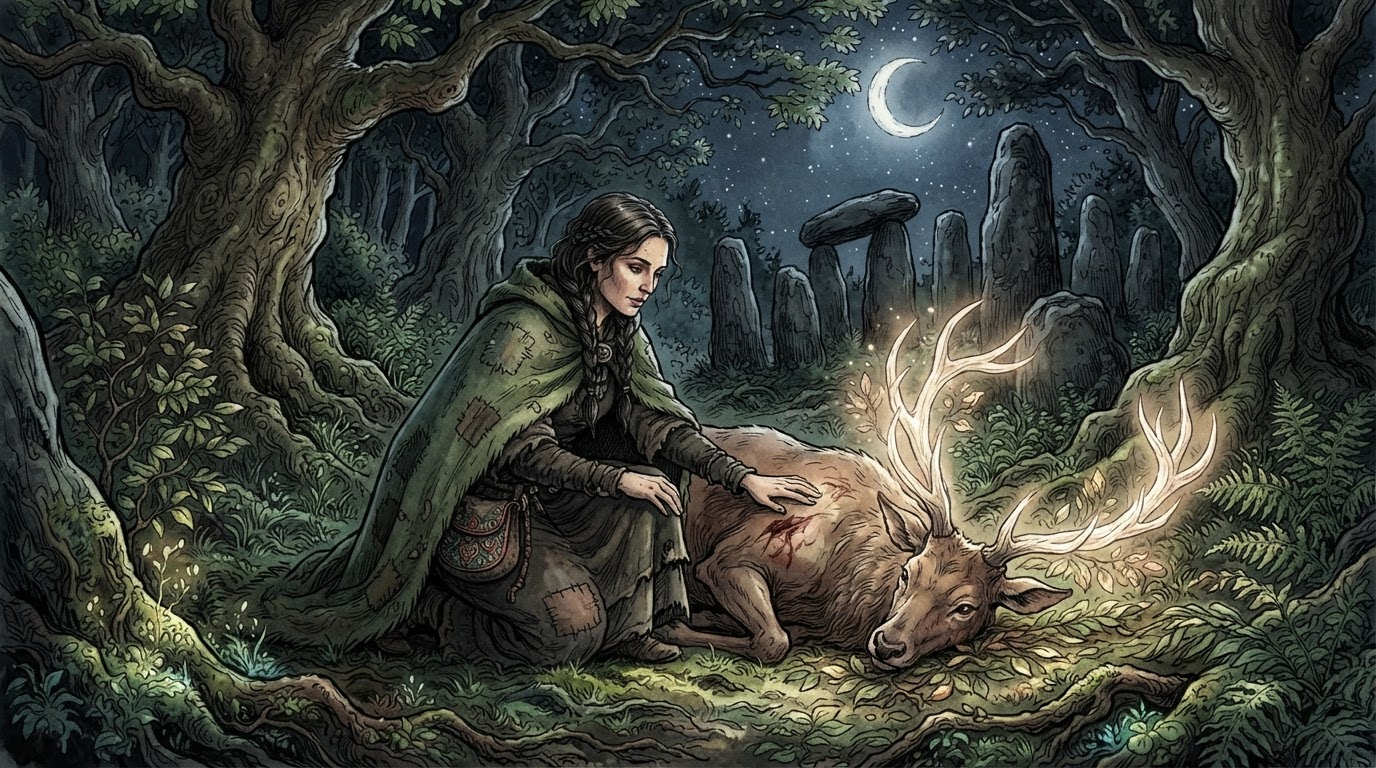
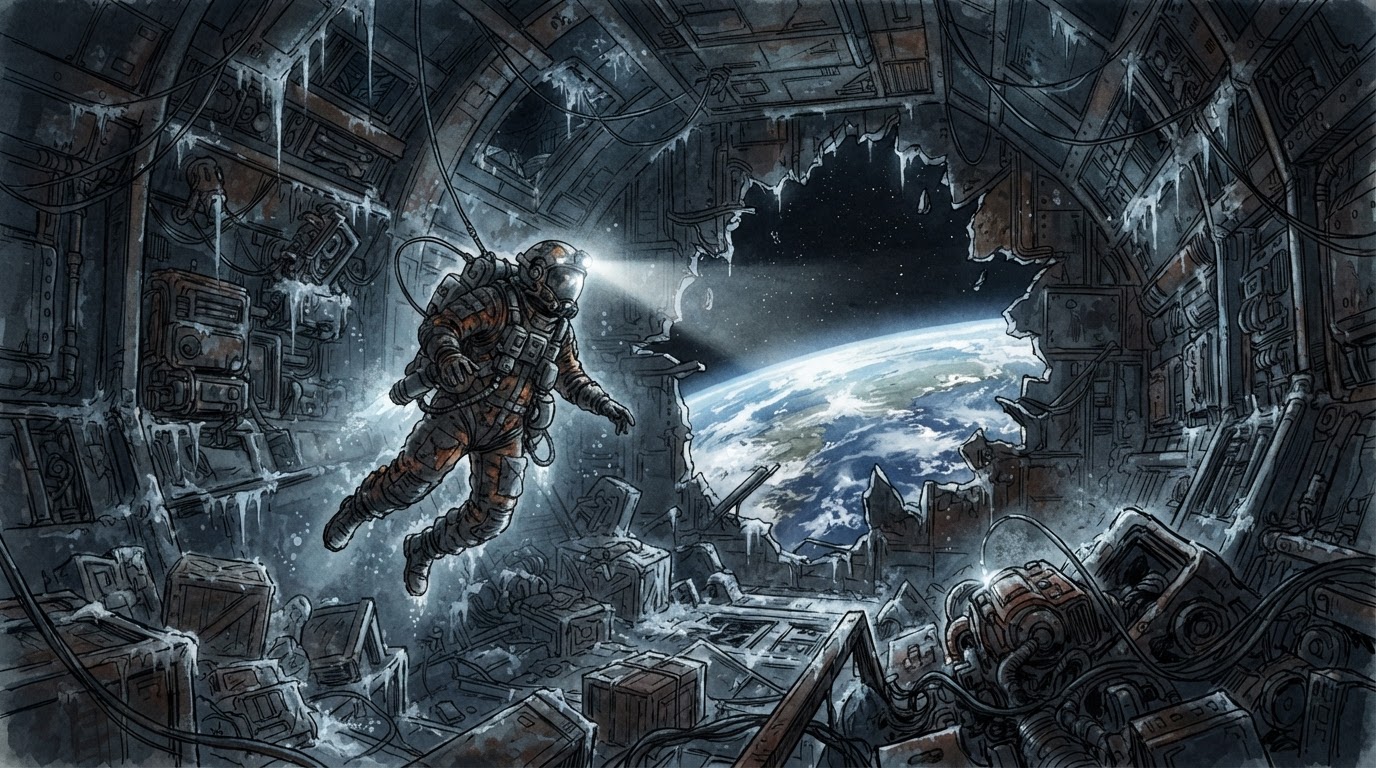
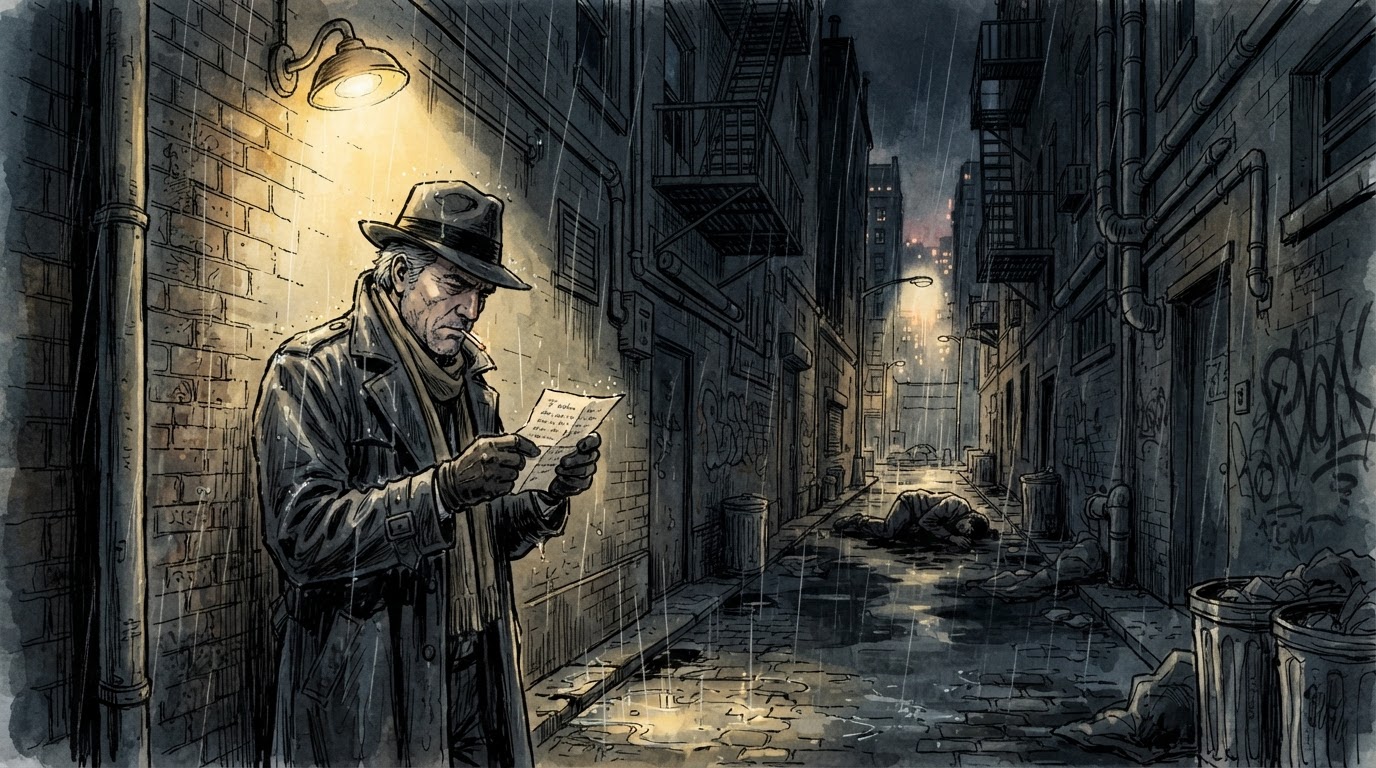
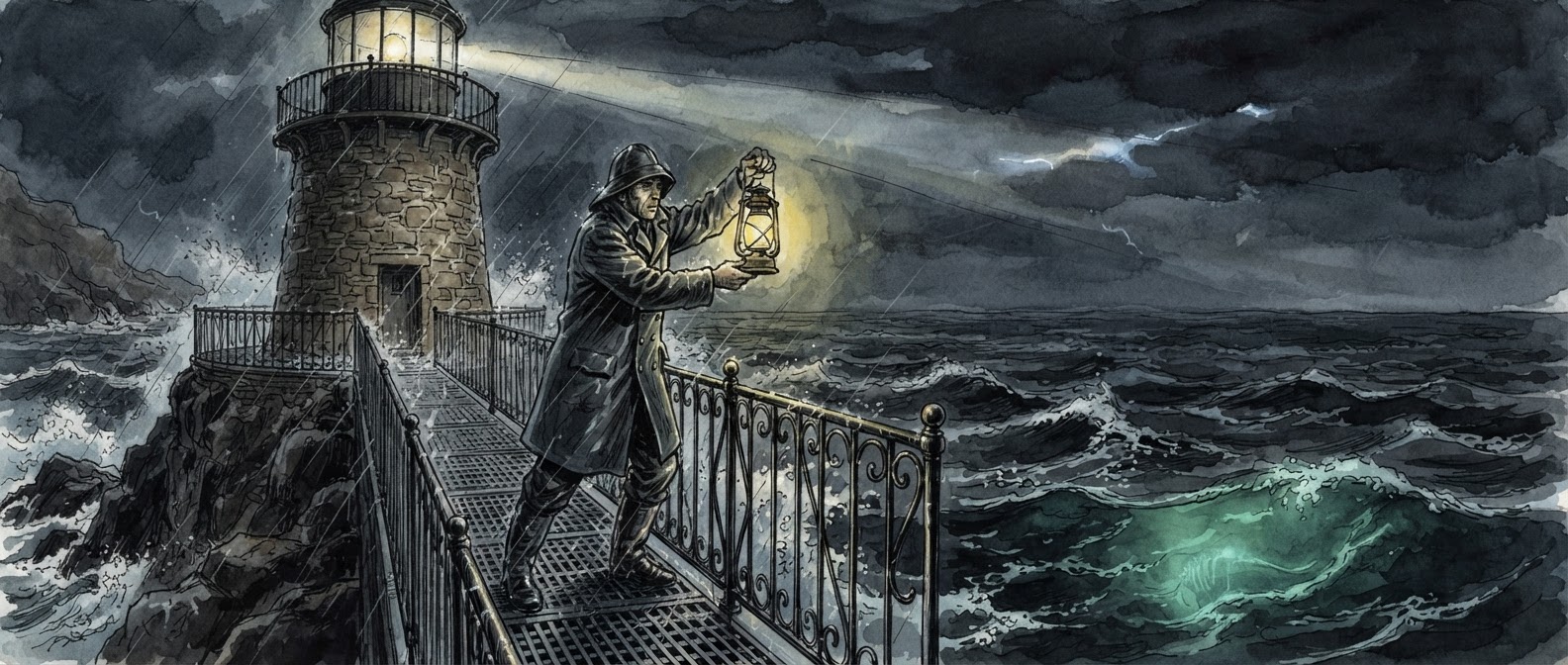
Fantasy, science fiction, horror, mystery or after the apocalypse, or describe your own in one line.
A role and a name: a sellsword, a ship’s doctor, a disgraced knight. The game master opens a scene built around them.
Do is an action, Say is dialogue, Narrate lets you write a beat of the world yourself. Three suggested moves sit under every scene if you want a nudge.
It writes what happens, plays everyone else and stops at your next decision. Continue, Retry and Undo are always one tap away.
Everything an RPG needs
draw steel
Fights are written out blow by blow and follow from what you do: a feint, a retreat, a cheap shot. There is no health bar; recklessness costs you inside the story.
say “Name your price.”
Bargain, bluff, threaten or charm with Say. Every other character is played by the game master and wants something of their own.
follow the river north
Go anywhere the world allows. Places are written when you reach them, and the game master keeps track of what you did there.
hire the old guide
Hire a guide, rescue a prisoner, keep a rival close. Companions speak and act on their own and remember how you treated them.
pocket the iron key
There is no inventory screen. The story keeps track, and you can pin what matters, like the cursed ring or the iron key, on a story card.
magic costs blood
Want magic to have a price or ammunition to be scarce? Write it on a story card and the game master holds to it whenever it comes up.
Compared
| Parser adventure | MUD or browser RPG | Glimora | |
|---|---|---|---|
| What you type | Short commands it understands | Commands and chat | Anything, in plain words |
| The world | Designed in advance | Built by the game’s makers | Written as you play |
| Other characters | Scripted lines | Scripted characters and other players | Played by the game master, with plans of their own |
| Stats and dice | Rarely | Usually: levels, stats, combat numbers | None; the story decides |
| Other players | No | Yes | No, it is played solo |
| Cost | Often free | Usually free, with paid extras | 4 free turns a day; packs from $1.99 |
Pick a world
Before you start
From long campaigns
Price
| Free | Plus · $9.99 a month | Pro · $19.99 a month | |
|---|---|---|---|
| Turns | 10 on day one, then 4 a day | 100 a day | 200 a day |
| Story memory | About 6,000 words | Twice that | Four times that |
| Illustrated scenes | No | 50 a month | 150 a month |
Or buy turns once, with no subscription: 100 for $1.99 or 500 for $4.99. They never expire.
Questions
A role-playing game told in words. You read what your character sees, decide what they do, and the game describes what happens. Classic ones take typed commands or are shared online worlds; Glimora uses an AI game master that writes the story around whatever you type.
Yes. 10 turns on your first day and 4 every day after that, with no account. You can buy 100 turns once for $1.99, or take Plus for 100 turns a day.
No. Write what your character does or says in plain words. If you want a nudge, tap one of the three suggested moves under each scene.
No. What happens follows from the story and from what you do, not from rolls. Fights, injuries and gear are tracked in the story itself, and story cards keep the important facts fixed.
No. Glimora is played solo: you and the game master.
Yes. About 6,000 words of your story stay in view on every turn on the free plan, twice that on Plus and four times on Pro, and story cards pin the facts that must never change. Your quests are saved, so you can come back to them.
Yes. It runs in the browser on a phone or a computer, with nothing to download.
Something scrapes stone to your left.
Your quest starts with one line.
Glimora is for adults aged 18 and over.